

Manglares
Environmental Consulting
We are a company dedicated to the protection, recovery, and creation of wetlands ecosystems that are essential for maintaining water balance and fostering biodiversity.

What began in 1988 as volunteer work carried out by biologist Mario Moscatelli gradually expanded into projects of ever greater scale, aimed at recovering and creating new ecosystems.
Beyond the technical challenges, the initiative also faced cultural barriers. Wetlands such as mangroves and marshes were often burdened by prejudice, seen as useless or unhealthy.
It all began in 1988…
Projects

Rio de Janeiro, Brasil


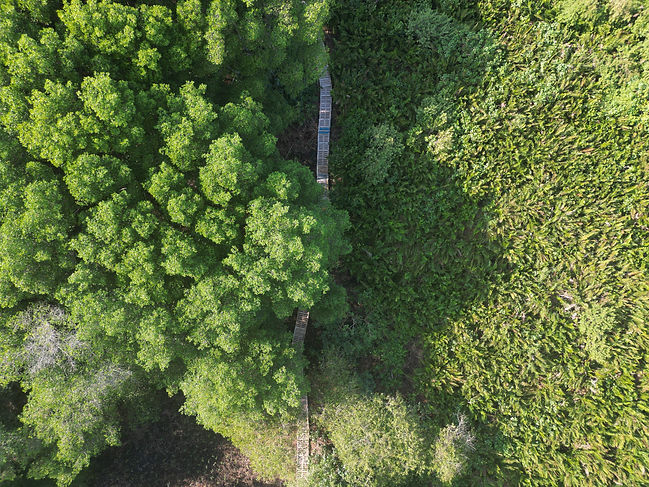
Image of an ongoing Project at Camorim Lagoon, Rio de Janeiro
What we do?

1
Environmental Consulting
Our mission is focused on the protection, recovery, creation, and management of coastal ecosystems, always seeking to align genuine economic development with the preservation of natural resources.
Within this context, our work stands out both in the direct execution of field activities and in technical consulting and guidance, ensuring that every proposal implemented is grounded in sustainability.
By combining hands-on restoration with expert advisory, we deliver solutions that balance ecological integrity, economic viability, and long-term resilience.
2
Monitoring Mangrove Areas
Through the OlhoVerde Project, periodic aerial surveys are carried out along the coastal zone between Guanabara Bay and Ilha Grande.
These flights identify both the causes and consequences of coastal degradation, generating valuable data that is then shared with environmental agencies and organized civil society.

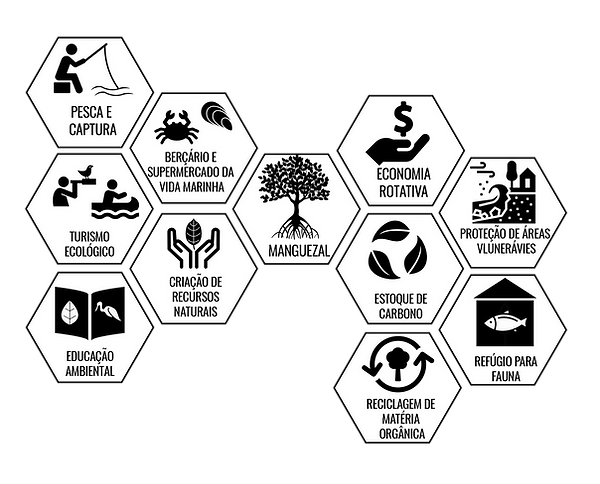
Mangroves are widely recognized as the “nurseries” and “supermarkets” of the intertropical coastal zone—protectors of the shoreline, providers of animal and plant resources, natural water filters, and vital ecosystems for activities ranging from fishing to ecotourism.
Beyond these crucial ecosystem services, more recently their remarkable ability to sequester and store carbon has been observed, making mangroves one of the most important natural tools to combat global warming and extreme climate events.
Why Use Mangroves as a Tool Against the Climate Emergency?
Main Threats to Mangroves

Urban Growth
Mangroves and other wetlands are protected by numerous legal instruments. However, historically they have been among the ecosystems most suppressed by urban growth—both through direct destruction and indirectly through the dumping of garbage, sewage, and chemical byproducts.

Improper Waste Disposal
As a byproduct of disorderly urban occupation and cultural misconceptions, many rivers have been transformed into sewage ditches and temporary waste deposits, especially for domestic refuse.
Once natural factories of life, these waterways have been degraded into vast garbage containers, losing their ecological function and threatening biodiversity.

Discharge of Untreated Sewage into Water Bodies
Directly associated with disorderly urban growth and the absence of effective public policies on basic sanitation over the last five decades, mangroves—once known as factories of life—have been degraded into vast latrines with extremely low biodiversity.

Oil Spills
In addition to all the pressures already described, oil leaks and other petroleum derivatives have repeatedly impacted mangrove formations located near industrial and petrochemical complexes.
In the Media


Partners


